

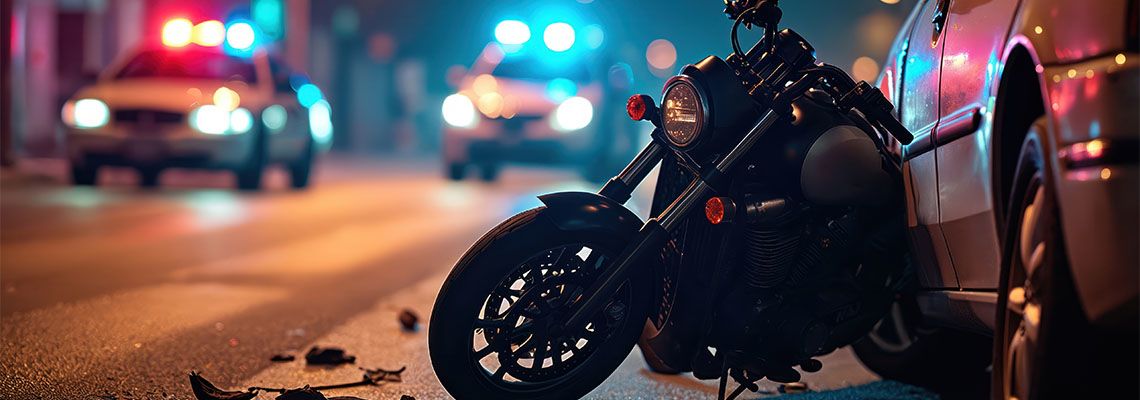
How Visibility Issues Lead to Fault in Motorcycle-Car Collisions
Motorcycle-car collisions often happen in a split second, but the legal consequences can last for years. Visibility issues frequently play a central role in determining fault in these crashes.
When drivers claim they “didn’t see” a motorcyclist, that statement doesn’t automatically remove responsibility. In many motorcycle accidents, limited visibility is a key factor in determining whether a party acted negligently and why the collision occurred.
At Oldham & Smith Attorney at Law, we carefully examine how visibility conditions, driver behavior, and roadway factors contributed to the crash to build a clear argument about fault and liability. We represent individuals in Eustis, Groveland, Leesburg, and Lake County, as well as throughout Florida. Contact us today to schedule a consultation.
Why Visibility Matters in Motorcycle-Car Collisions
Motorcycles are smaller than passenger vehicles, which can make them harder to detect in traffic. However, the law still requires drivers to operate their vehicles with reasonable care. A driver can’t simply rely on the excuse that a motorcycle was difficult to see.
Visibility issues frequently arise in auto accidents involving:
Left-turn collisions: A driver turning left may misjudge a motorcycle’s speed or fail to see it approaching.
Lane-change crashes: Drivers who don’t check blind spots carefully may sideswipe a motorcycle.
Intersection accidents: Obstructed views from buildings, landscaping, or other vehicles can limit sightlines.
Nighttime crashes: Reduced lighting can make motorcycles less noticeable if drivers aren’t paying close attention.
When we investigate these auto accidents, we focus on whether the driver exercised proper caution under the circumstances. As we move from general visibility concerns to specific roadway conditions, environmental factors often become central to the analysis.
Environmental Factors That Contribute to Poor Visibility
Road conditions and surroundings can significantly impact what a driver sees. Even so, drivers are expected to adjust their behavior based on current conditions.
Common environmental factors include:
Low lighting conditions: Streetlights may be inadequate, or a crash may occur at dusk when visibility changes rapidly.
Weather interference: Rain, fog, or glare from the sun can reduce visibility.
Obstructed sightlines: Parked cars, construction barriers, or overgrown vegetation may block views.
Road design issues: Curves, hills, and narrow lanes can limit a driver’s field of vision.
While these conditions may affect visibility, they don’t excuse careless driving. In auto accidents involving environmental factors, we evaluate whether the driver slowed down, increased following distance, or took other precautions. If they didn’t adjust appropriately, that failure may point to negligence.
Blind Spots and the Duty to Check Them
Every vehicle has blind spots, but drivers are responsible for checking them before changing lanes or merging. Motorcycles are especially vulnerable because they can fit entirely within a blind spot.
In auto accidents caused by blind spot errors, we often look for:
Failure to use mirrors properly: Drivers should scan mirrors regularly, not just glance once.
Failure to turn and check over the shoulder: A physical head check can reveal vehicles not visible in mirrors.
Distracted driving: Drivers using phones or adjusting controls may skip critical safety checks.
Improper signaling: Sudden lane changes without signaling reduce a motorcyclist’s opportunity to react.
When a driver claims they never saw the motorcycle, that statement can actually support a negligence argument. Not seeing a vehicle that was there to be seen often suggests a failure to look carefully.
Left-Turn Accidents and Misjudging Speed
Left-turn collisions account for a significant portion of motorcycle-car accidents. A driver turning left across traffic must yield to oncoming vehicles, including motorcycles.
Visibility issues in left-turn crashes often involve:
Underestimating a motorcycle’s speed: Because motorcycles appear smaller, drivers may misjudge how quickly they’re approaching.
Failing to wait for a clear gap: Drivers may rush through a turn without sufficient space.
Obstructed views at intersections: Other vehicles or structures can block sightlines.
Even when a driver says they looked both ways, we analyze whether they allowed enough time and distance before turning. Florida law requires drivers to yield the right-of-way, and failing to do so can establish fault in auto accidents involving motorcycles.
Comparative Fault in Visibility Disputes
Florida follows a modified comparative fault system. That means more than one party can share responsibility in auto accidents. In visibility-related collisions, insurance companies sometimes argue that the motorcyclist contributed to the crash.
Allegations against motorcyclists may include:
Riding without proper lighting: A broken headlight or taillight may affect visibility at night.
Wearing dark clothing: Insurers may claim the rider wasn’t easily visible.
Speeding: Excessive speed can reduce reaction time for both parties.
Lane positioning: Riding in another vehicle’s blind spot for extended periods may increase risk.
When these arguments arise, we examine evidence such as crash reports, witness statements, and accident reconstruction findings. We evaluate whether the motorcyclist acted reasonably under the circumstances or whether the primary fault lies with the driver who failed to observe them.
Evidence in Proving Visibility Issues
Determining how visibility affected a crash requires more than assumptions. We gather and review multiple forms of evidence to support our position in auto accidents.
Important evidence may include:
Traffic camera or surveillance footage: Video can show whether the motorcycle was clearly visible.
Dashcam recordings: These may reveal driver inattention or sudden maneuvers.
Accident reconstruction analysis: Professionals can evaluate speed, angles, and sightlines.
Photographs of the scene: Lighting, weather, and road layout can be documented.
Witness testimony: Independent observers may confirm that the motorcycle was visible.
By compiling this information, we build a narrative about what happened and why. When visibility was limited, we demonstrate whether the driver responded appropriately or failed to exercise reasonable care.
Driver Responsibility Despite Visibility Challenges
Drivers must adjust their behavior when conditions reduce visibility. That may mean slowing down, increasing following distance, or waiting longer before turning.
If a driver fails to adapt to:
Poor weather conditions
Heavy traffic congestion
Reduced lighting
Obstructed intersections
That failure can establish negligence. Courts and insurers examine whether the driver acted cautiously given the situation. When they don't, fault often follows.
Because motorcycles offer little physical protection, these crashes frequently result in severe injuries. That reality underscores the importance of carefully examining visibility issues in every case.
Contact an Experienced Attorney Today
If you’ve been injured in an auto accident involving a motorcycle in Eustis, Groveland, Leesburg, Lake County, or elsewhere in Florida, we’re ready to help. At Oldham & Smith Attorney at Law, we’ll review the evidence and explain your legal options. Contact us today to discuss your case and learn how we can assist you moving forward.
